
A construction estimate is due before noon. A law firm needs access to case files. A medical practice cannot keep patients waiting because its scheduling system is down. When technology fails at the wrong moment, the cost is not limited to a repair bill. It shows up in lost billable time, missed deadlines, frustrated employees, and client confidence.
Managed IT services are designed to prevent that cycle. Instead of waiting for computers, networks, servers, or security tools to fail, a managed service provider takes ongoing responsibility for keeping the technology your business depends on secure, monitored, supported, and aligned with your operations.
For small and medium-sized businesses, this is not about adding more technology for its own sake. It is about making technology less disruptive and more dependable.
What Managed IT Services Actually Mean
Managed IT is an ongoing partnership, usually delivered for a predictable monthly fee. Your provider monitors and maintains your IT environment, responds when employees need help, and works to identify issues before they become business interruptions.
That is a different model from traditional break/fix IT support. With break/fix support, you call when something has already gone wrong. The provider bills for the time required to repair it. While that may appear less expensive when systems are quiet, it can create surprise costs and gives the provider little incentive to prevent recurring problems.
With managed IT services, proactive care is part of the agreement. The goal is fewer emergencies, faster support when an issue does arise, and a clearer picture of what your technology needs next.
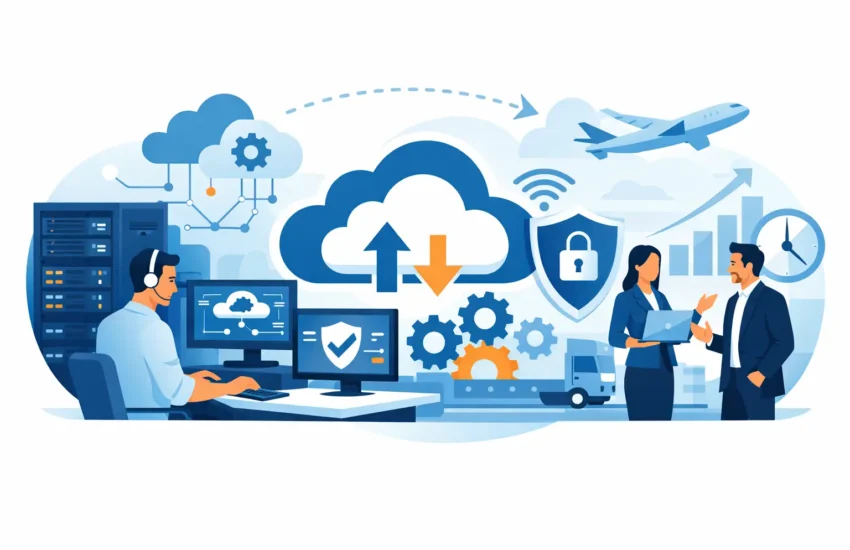
A well-rounded managed service plan commonly includes 24/7 monitoring, a responsive helpdesk, endpoint and server maintenance, network management, cybersecurity protection, backup monitoring, and strategic planning. The exact mix should reflect your business. A dental office handling patient information has different priorities than an engineering firm managing large design files or a construction company with employees moving between job sites.
The Business Problems a Managed IT Partner Solves
Most leaders do not begin their search for outsourced IT because they want a new technical acronym. They begin because technology has become unpredictable.
Perhaps employees lose time waiting for slow computers or unreliable Wi-Fi. Perhaps a former employee still has access to company accounts. Maybe backups exist, but no one can say with confidence whether they would restore critical files after a ransomware attack. These gaps are common, and they can remain hidden until the business is under pressure.
A managed provider brings accountability to those day-to-day details. Devices receive updates. User access is reviewed. Security alerts are investigated. Backup jobs are checked. Network performance is watched. Employees have a clear place to call when they need help.
This work protects productivity in ways that are easy to overlook. Saving ten minutes for each employee every few days may not sound dramatic. Across a busy office, it becomes meaningful time returned to client work, project delivery, and revenue-producing activity.
Downtime becomes less likely and less damaging
No provider can promise that every technical problem will disappear. Internet outages, hardware failures, and human mistakes still happen. The difference is preparation.
Proactive monitoring can reveal a failing hard drive, low storage capacity, an unstable network connection, or suspicious activity before it turns into a full outage. When an interruption cannot be avoided, documented systems, reliable backups, and a response plan help your team recover faster.
For businesses in Sacramento and surrounding communities, responsive local support also matters. A remote fix is often the fastest answer, but some problems require hands-on assistance. Knowing who owns the issue and how it will be escalated removes uncertainty during an already stressful situation.
Cybersecurity becomes an operating priority
Cybersecurity is no longer only an enterprise concern. Criminals routinely target smaller organizations because they may have valuable data, limited internal IT resources, and fewer layers of protection.
Email-based attacks remain especially effective. One convincing message can lead an employee to share credentials, approve a fraudulent payment, or open a malicious attachment. Security tools help, but technology alone is not enough. Businesses also need sensible access controls, multi-factor authentication, employee awareness, timely patching, and a response plan.
A managed IT provider should treat security as a continuous responsibility, not a one-time installation. That means reviewing risks as your staff, devices, applications, and compliance obligations change. For financial organizations, law firms, and healthcare practices, this approach can also support the documentation and safeguards expected when handling sensitive information.
IT spending becomes easier to plan
Unplanned technology costs make budgeting difficult. A server fails, licenses renew unexpectedly, or an aging workstation fleet suddenly needs replacement. Managed services cannot eliminate every capital expense, but they can make future needs visible earlier.
Regular planning conversations should identify aging equipment, software changes, security priorities, and business growth plans. This gives leadership time to make decisions based on risk and business value rather than urgency. A predictable monthly agreement also helps reduce the swings associated with emergency repair work.
What to Expect From the Right Managed IT Services Provider
Not every managed service agreement delivers the same level of care. Some providers focus mainly on remote monitoring and ticket resolution. Others act as a more involved technology partner, helping shape priorities, coordinate vendors, and improve resilience over time.
The right fit depends on your internal resources and operational needs. A company with an experienced internal IT manager may need specialized support and additional security coverage. A 25-person professional services firm may need a provider to take ownership of nearly every day-to-day IT responsibility.
When evaluating providers, look beyond a list of tools. Ask how support requests are handled, what response expectations are included, and whether the provider monitors systems after business hours. Ask who verifies backups, how security incidents are managed, and how often you will review technology plans together.
You should also ask for plain-language answers. A trusted provider can explain the risk of an outdated firewall or unsupported operating system without turning every conversation into technical jargon. You need enough information to make informed decisions, not a crash course in IT administration.
A Practical Way to Get Started
The first step is an honest assessment of your current environment. This should cover your users, devices, network, cloud applications, backups, security controls, vendors, and known recurring problems. It should also identify what would happen if your office lost internet access, a key application failed, or ransomware encrypted shared files.
From there, priorities should be ranked. Some issues require immediate attention, such as exposed accounts, unsupported systems, or untested backups. Others can be addressed through a realistic technology roadmap. The point is not to replace everything at once. It is to reduce the risks that can most seriously disrupt your business.
A transition to managed support also works best when expectations are clear. Employees should know how to request help. Leadership should know what is included, what requires approval, and how progress will be measured. Good onboarding creates an accurate inventory, closes obvious gaps, and establishes a baseline for service.
RJ PRO Tech Group approaches this work as a long-term business relationship. The objective is not simply to close tickets. It is to help clients spend less time reacting to IT problems and more time serving customers, completing projects, and growing with confidence.
Managed IT Is a Decision About Control
Business owners cannot control every threat, hardware failure, or vendor outage. They can control whether their organization is prepared, whether someone is watching for warning signs, and whether employees have responsive help when work stops.
The best time to strengthen your IT environment is before an outage, data loss event, or security incident forces the issue. Start with the systems your team cannot afford to lose, then build the support, protection, and recovery plan that keeps your business moving when pressure is highest.


