
Ask a contractor what downtime costs and you’ll usually get an answer about equipment. A dozer sitting idle, a crane waiting on an inspection, a
Ask a contractor what downtime costs and you’ll usually get an answer about equipment. A dozer sitting idle, a crane waiting on an inspection, a
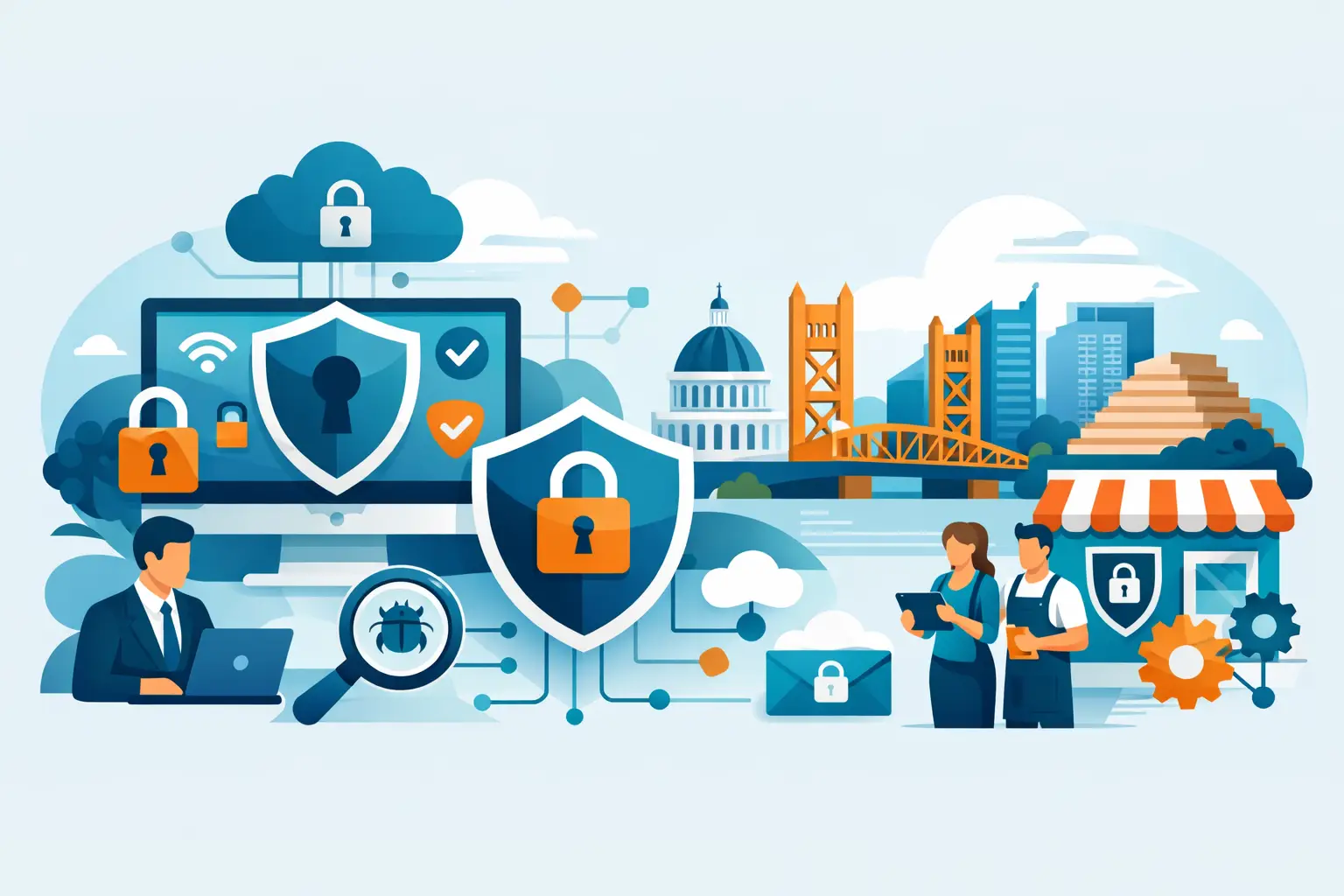
Cybersecurity for small business Sacramento: reduce ransomware, fraud, downtime, and compliance risk with practical protections that fit your budget.

Searching for an it support company near me? Learn how local businesses can choose responsive, secure IT support that prevents downtime and controls cost.
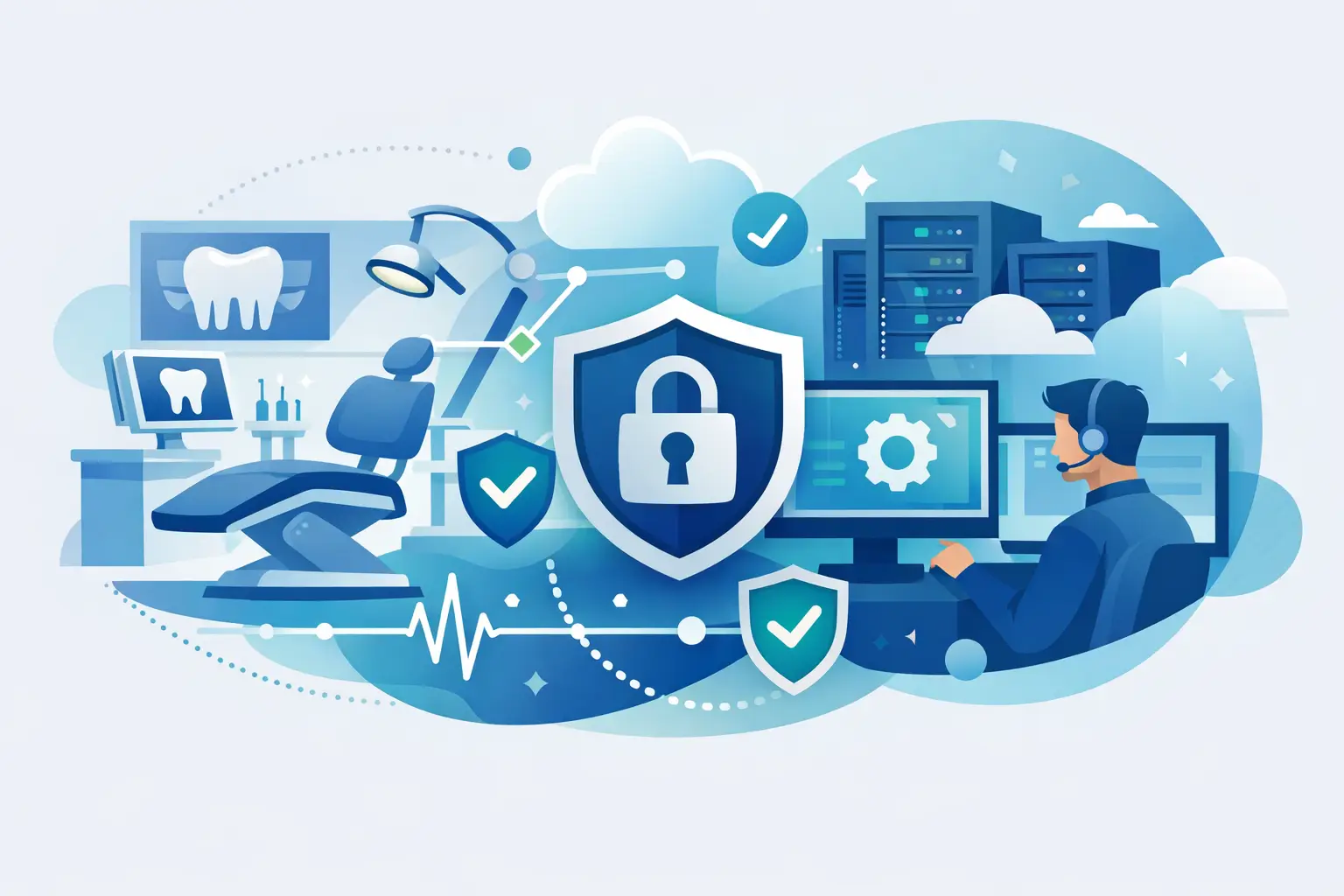
Dental office IT support keeps your practice secure, compliant, and productive with proactive monitoring, responsive help, backups, and clear costs too.
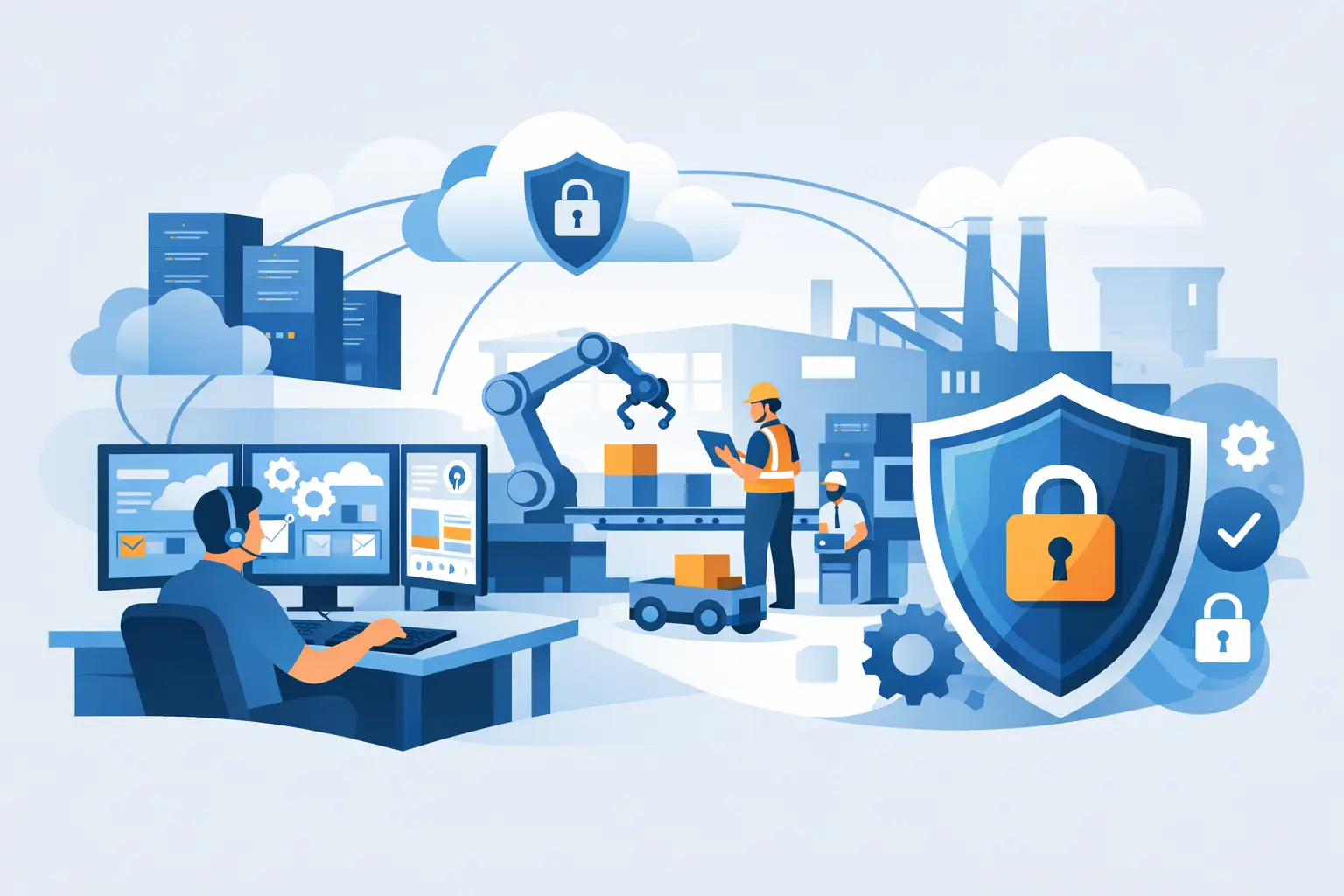
Manufacturing IT support reduces downtime, protects production data, and gives California plants a clear plan for security, recovery, and growth daily.
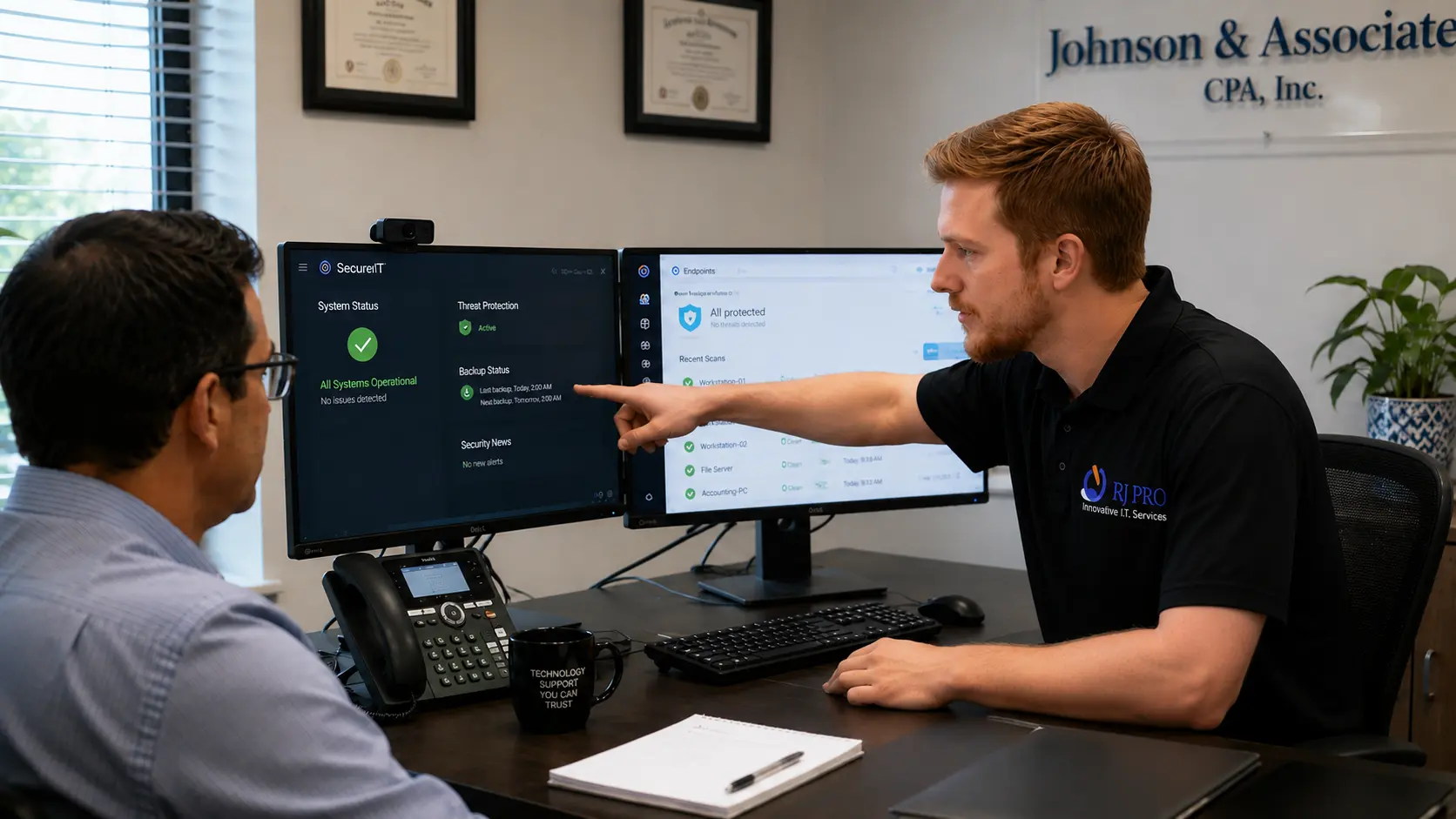
If you prepare tax returns for a living, there is a federal security rule that applies to your firm, and there’s a decent chance you’ve
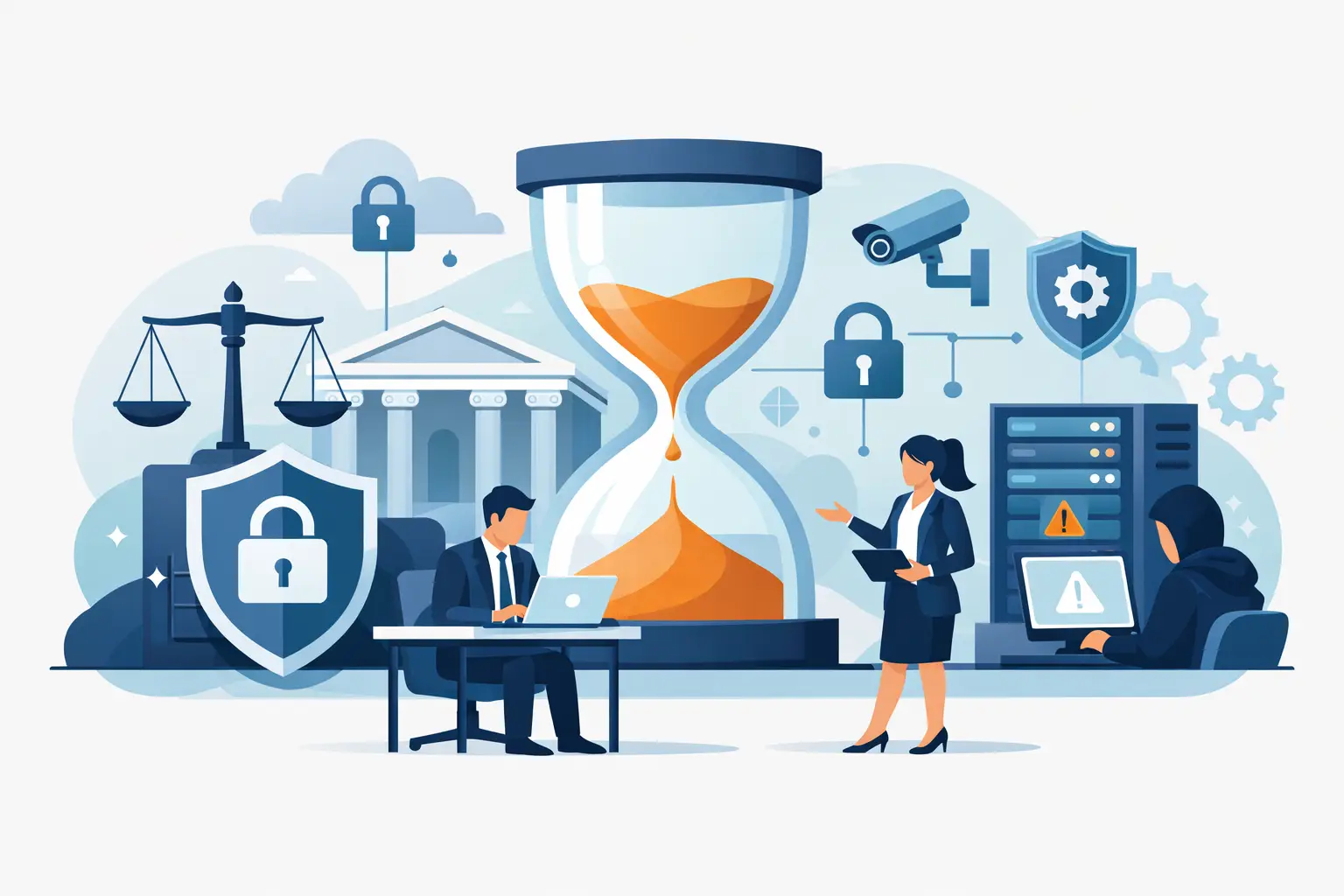
Law firm IT services protect confidential client files, reduce downtime, support compliance, and keep attorneys focused on billable work each workday.
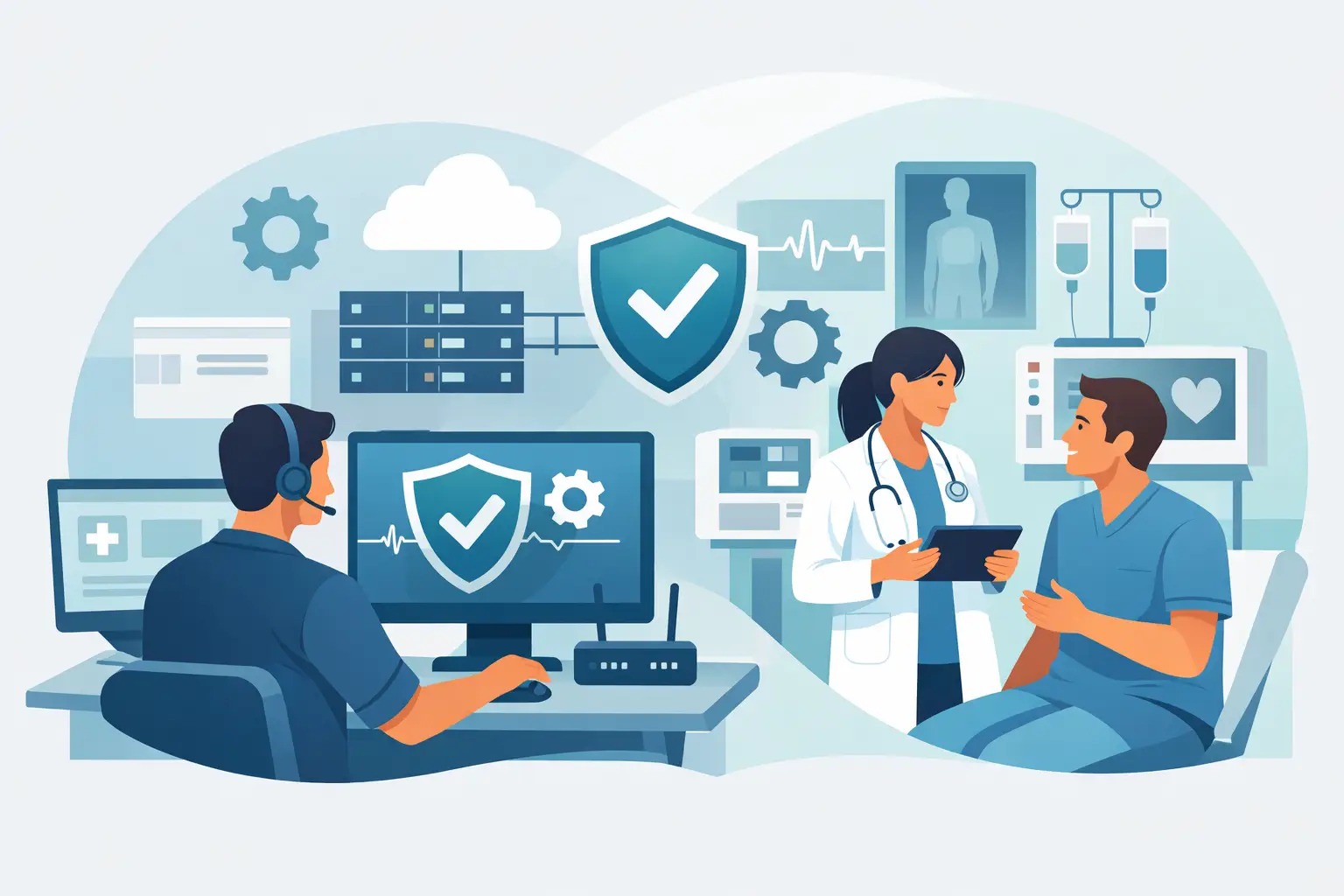
IT support for medical offices protects patient data, reduces downtime, and gives practices responsive help, security, backups, and predictable costs.
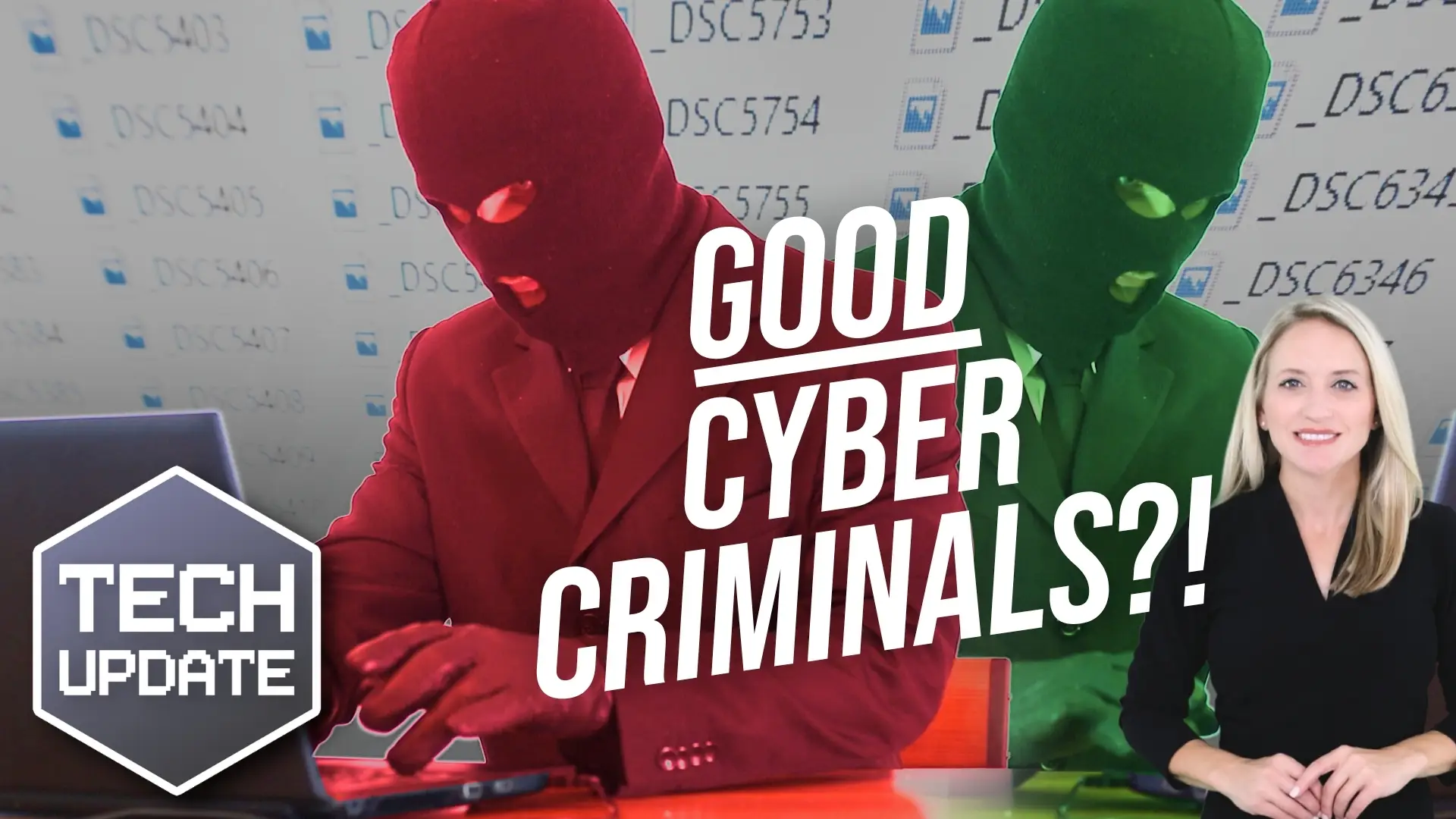
It might sound like good news when cybercriminals turn on each other.
But it doesn’t make things safer.
Some are offering to “help” victims caught in the middle, which sounds tempting until you think about it properly…

Business IT services Sacramento companies can rely on should reduce downtime, improve security, control costs, and support growth before issues escalate.